What To Expect During Dirt Work & Site Prep in Alaska
Dirt work is the foundation of your entire project —literally.
Before a home, shop, driveway, or commercial structure can ever go up, the land has to be properly prepared. In Alaska, where soil conditions vary from layered permafrost to rocky hillsides and thick brush, quality site prep determines the long-term success and stability of any build.
If you're planning to build or improve a property in Alaska, here’s what you can expect during the dirt work and site preparation process.
Land Clearing: Removing What’s in the Way
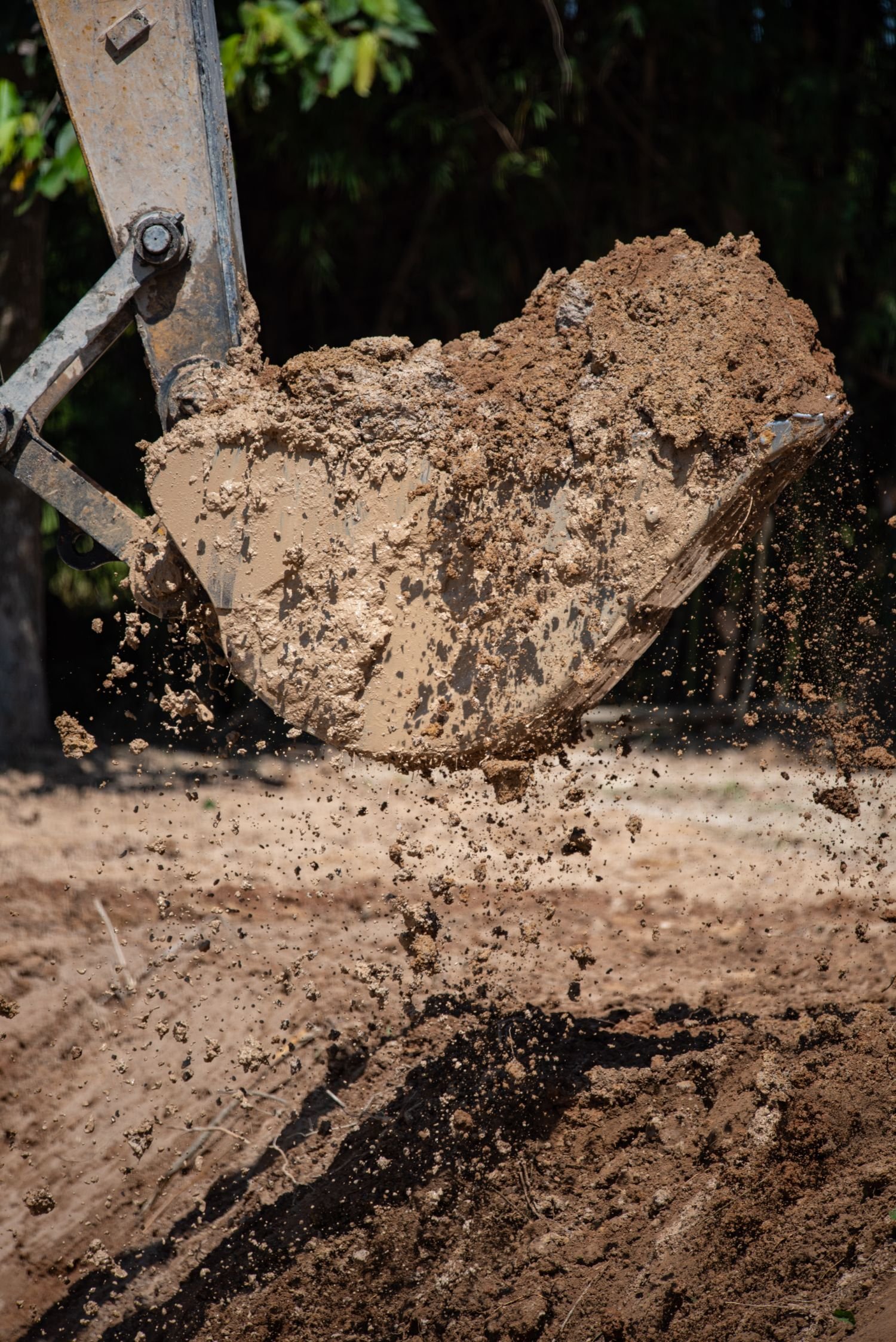
The first step is clearing anything that prevents construction or equipment access.
This usually includes:
Brush, vegetation, and roots
Fallen and standing trees
Rocks and surface debris
Old structures or remnants
Overgrown areas blocking equipment
Proper land clearing ensures the site is safe, accessible, and ready for grading and excavation.
In heavily wooded or uneven terrain — common in many parts of Alaska — this step can take more time than homeowners expect.
Cut & Fill: Creating a Level, Buildable Surface
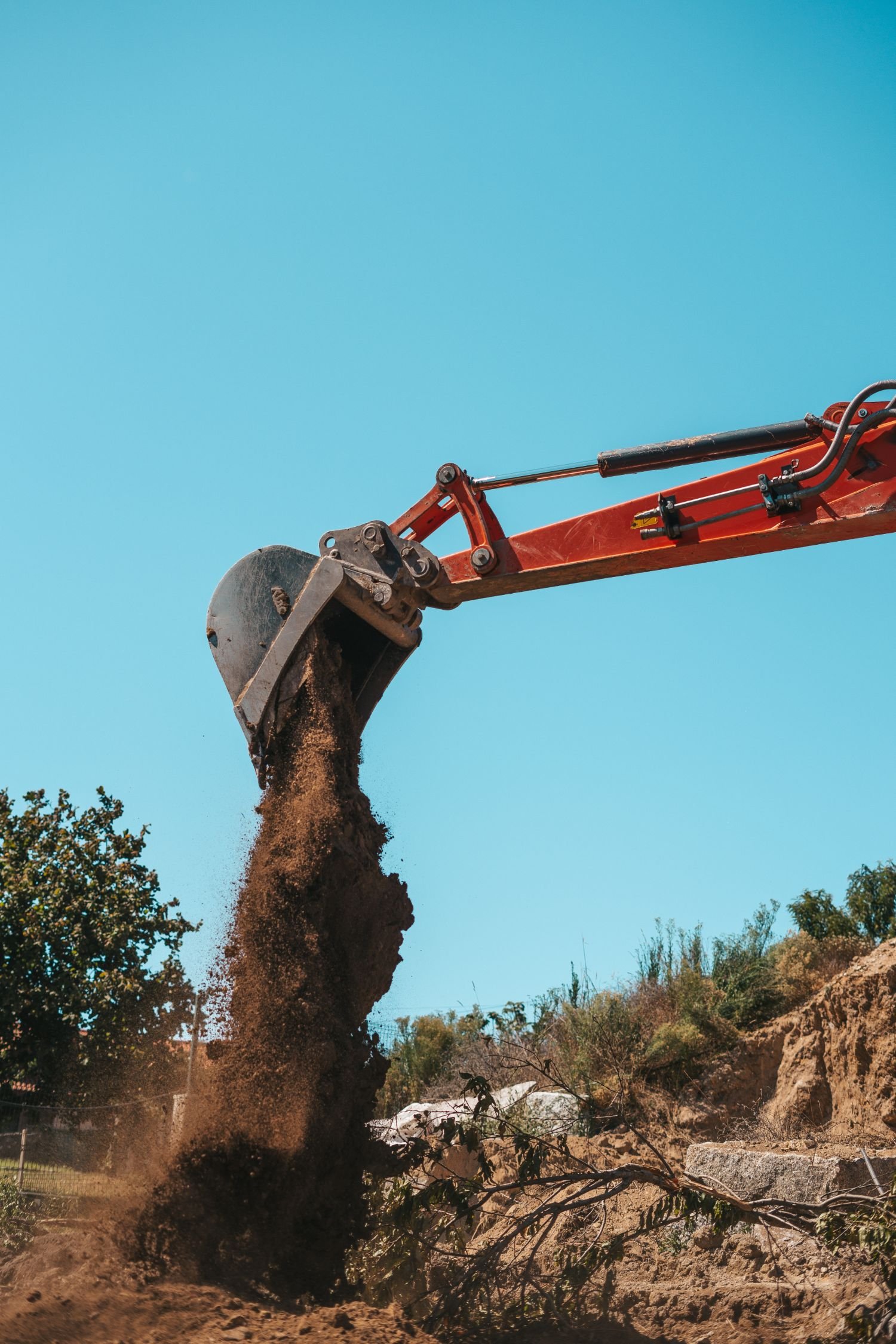
Most raw land in Alaska isn’t naturally level, which means a cut and fill process is typically required.
Cut = removing high spots of soil
Fill = adding soil to low areas
Goal = a level, stable pad for your building
This step is essential for preventing shifting, slope failure, and structural issues. It also ensures your foundation sits evenly without strain.
Grading: Controlling Drainage (One of the Most Important Steps)
Alaska’s freeze-thaw cycles make drainage a major priority. Grading shapes the land to guide
water away from:
Foundations
Driveways
Retaining walls
Outbuildings
Roads and access routes
Improper grading is one of the leading causes of water intrusion, frost heave, and foundation damage — especially in permafrost zones or clay-heavy soils.
Correct drainage grading today prevents expensive repair work later.
Compaction: Making Sure the Ground Won’t Shift
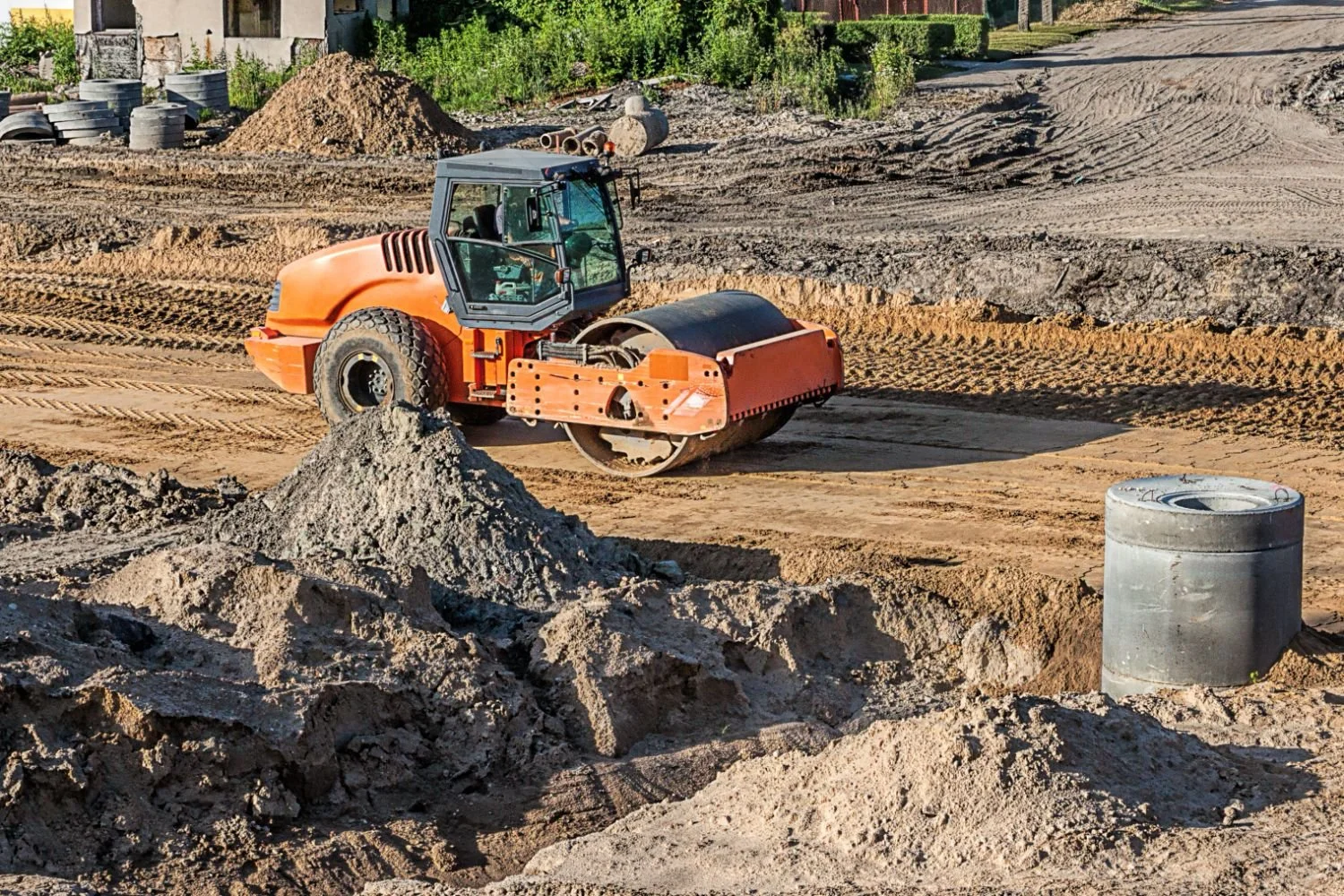
Once the land is shaped, the soil must be compacted. This eliminates loose pockets, increases soil density, and strengthens the ground beneath your structure.
Why compaction matters:
Prevents settling
Reduces shifting during freeze-thaw cycles
Supports the foundation
Maintains driveways and parking areas
Ensures long-term stability for heavy structures
For Alaska’s variable soils — sand, silt, clay, rock, and permafrost layers — proper compaction is a critical part of responsible site prep.
Driveway & Access Prep: Getting Equipment In and Out
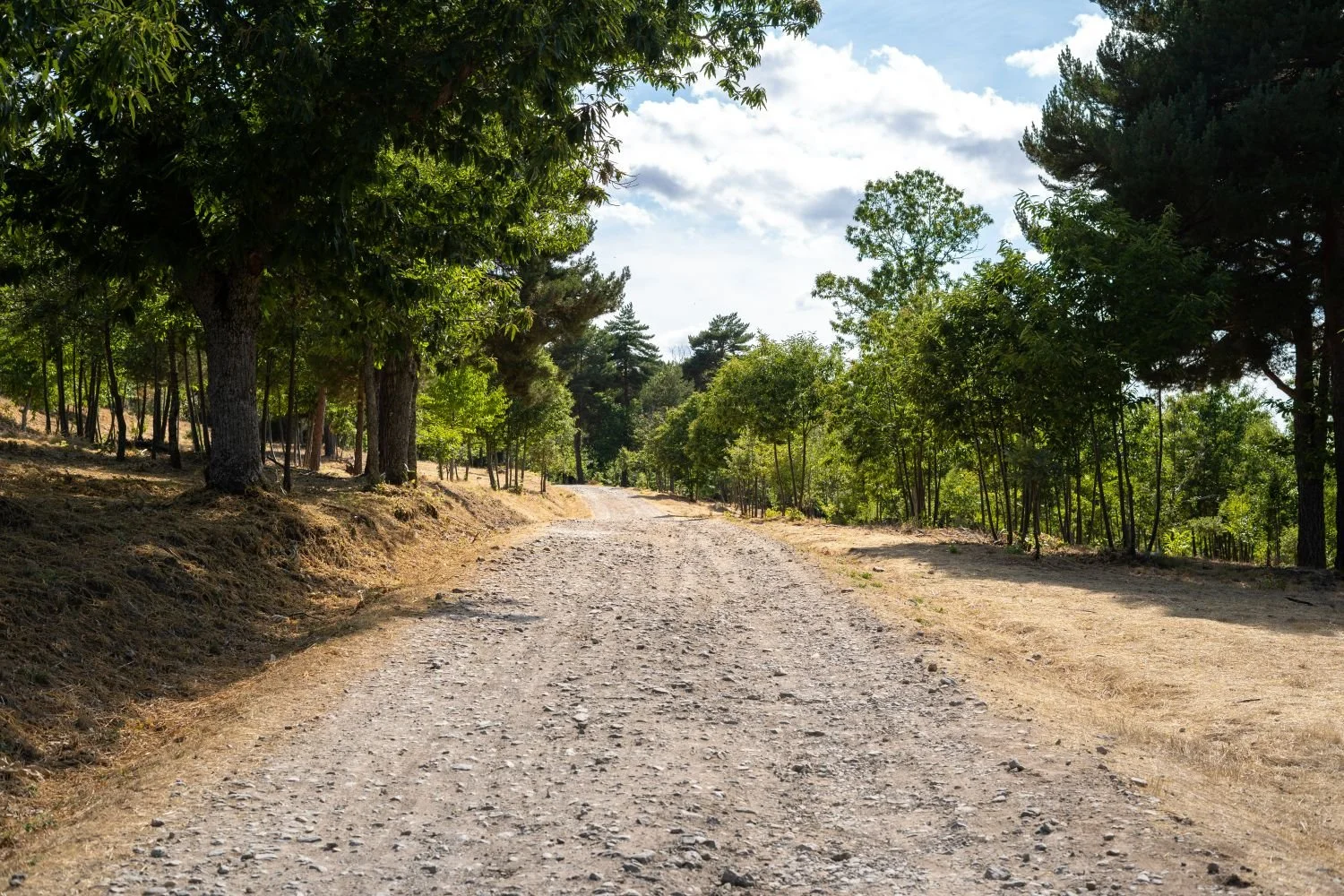
Before construction begins, heavy equipment needs safe access to the site. Dirt work crews may install or improve:
Temporary or permanent driveways
Gravel roads
Turnaround areas for equipment
Access pads for material deliveries
This is especially important in remote or heavily wooded areas, where access isn't naturally available.
Why Dirt Work Matters So Much in Alaska
Unlike many states, building in Alaska means working around:
Frost heave
Permafrost zones
Poor drainage areas
Rocky terrain
Seasonal thawing and refreezing
Limited construction seasons
Because the ground shifts more dramatically here, the quality of your dirt work directly affects the lifespan of your home or building. Good site prep prevents:
Water pooling
Foundation cracking
Driveway washouts
Sinking or settling structures
Erosion and drainage failures
Long-term, expensive repairs
Simply put: quality dirt work saves you money — and stress — for decades.
Who Benefits Most From Proper Site Prep?
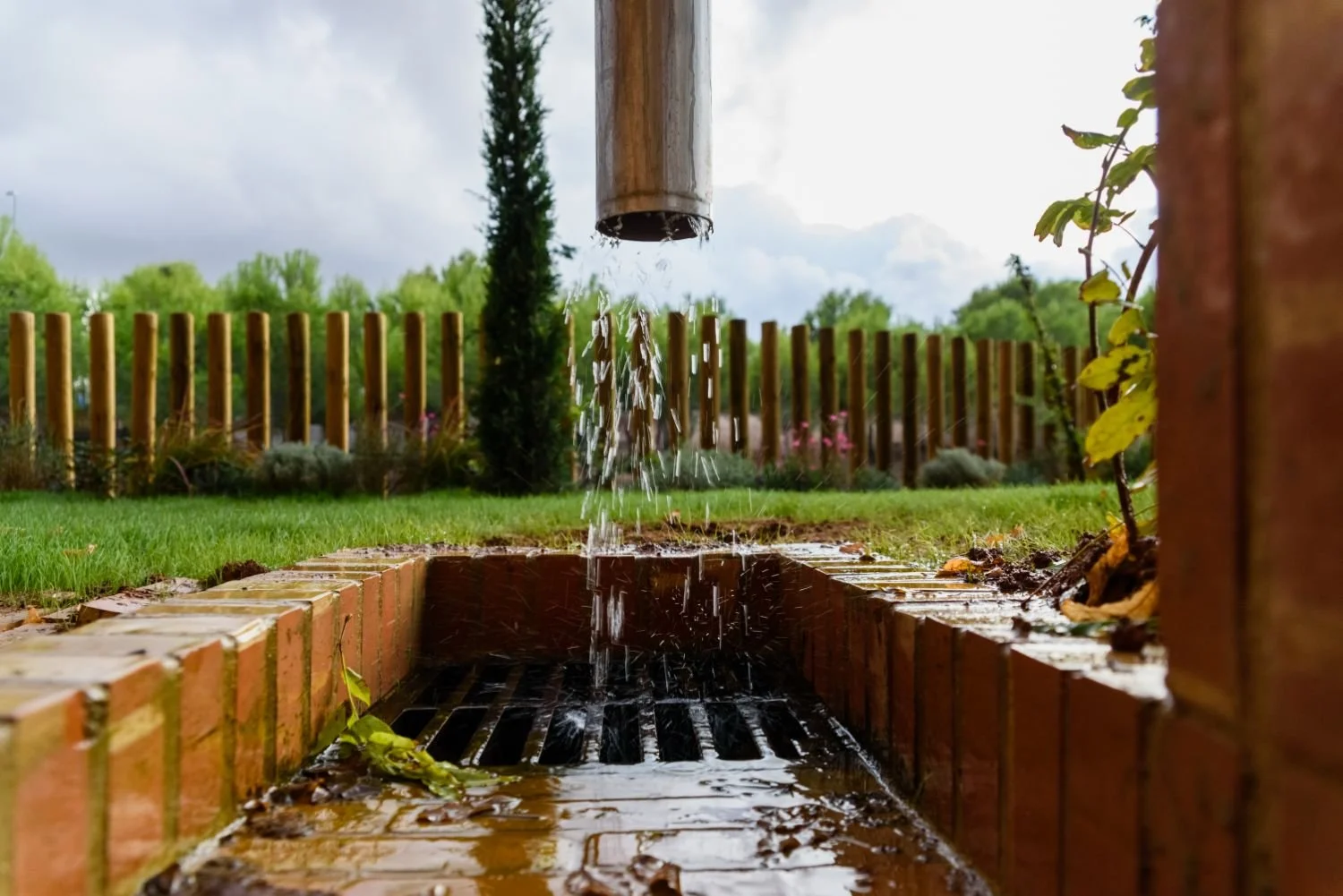
Drainage Pathway
This guide is ideal for:
Homeowners preparing to build
First-time land buyers
Property owners in rural areas
Businesses planning commercial construction
Anyone adding a shop, cabin, or accessory structure
Whether you're developing your first property or adding onto an existing one, understanding the dirt work process helps you plan better and avoid costly surprises.
Ready to Start Your Project the Right Way?
Kittleson Construction provides reliable dirt work, excavation, grading, and full-site preparation services across Alaska.