

Building on Permafrost in Alaska: What Homeowners Really Need to Know
If you own land in Alaska, you’ve probably heard the word permafrost thrown around as if it applies everywhere and affects every build the same way.
The truth is more nuanced.
With decades of hands-on construction experience across South Central and Interior Alaska, one thing becomes clear fast: permafrost matters in some locations, but misconceptions about it cause far more confusion than clarity. What homeowners really need is accurate, location-specific information — not fear-based assumptions.
Let’s break down what permafrost is, where it actually exists, and what truly impacts building homes and renovations in Alaska.
What Permafrost Is (and Where It Actually Exists)
Permafrost is ground that remains frozen for two or more consecutive years. It typically forms when soil never fully thaws during summer and continues freezing deeper over time.
Here’s the key point many homeowners don’t realize:
True, continuous permafrost is not everywhere in Alaska.
It’s most common in:
Northern Alaska and Interior regions
Areas north of Fairbanks Borough
Villages and remote regions such as Nome
Regions near the Denali Highway and further north toward Prudhoe Bay
In contrast, many major building areas in Alaska are not built on constant permafrost.
Instead, builders commonly encounter:
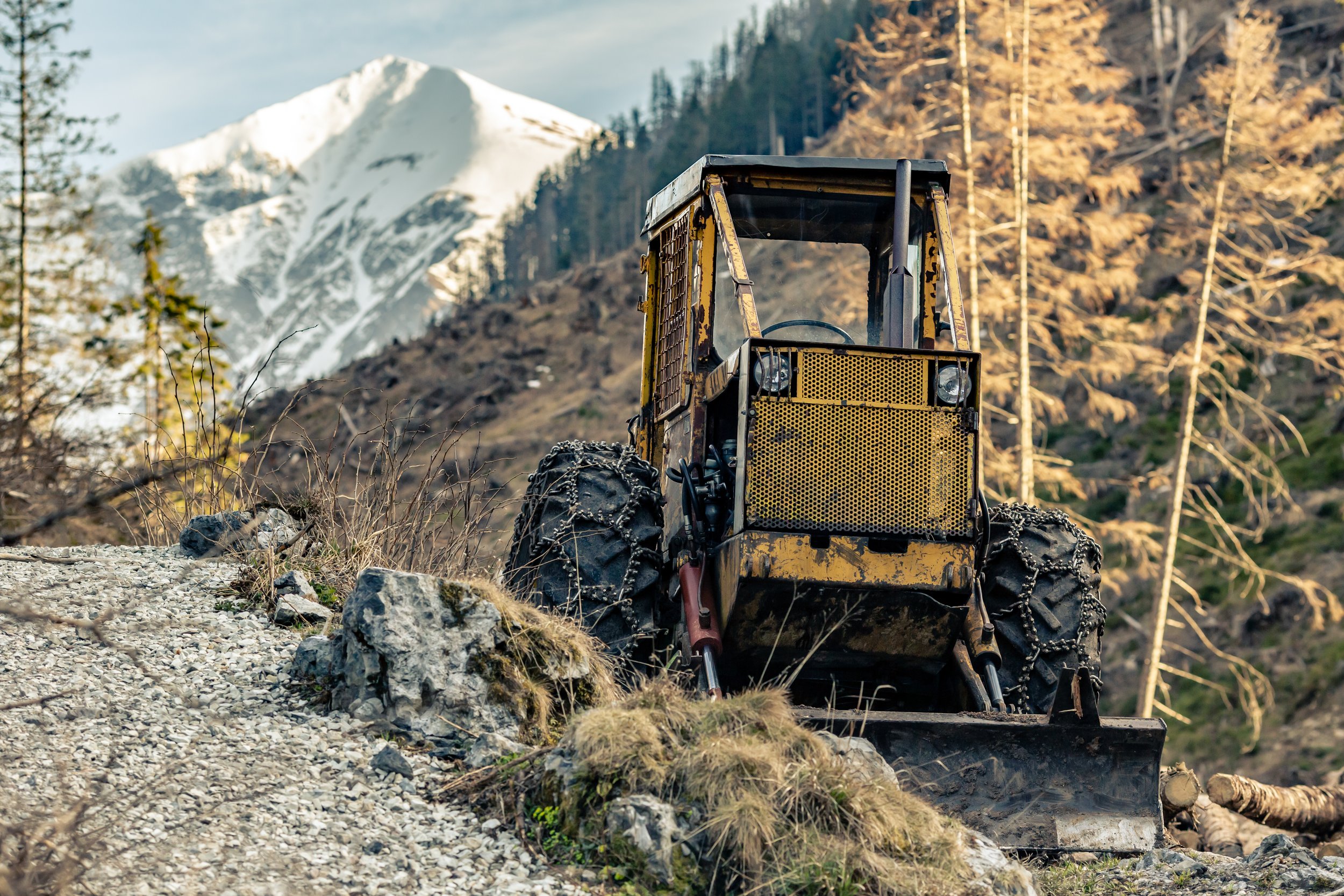
Gravel and rock-based soil
Shell rock mixes
Sand, silt, and clay combinations
Areas with shallow bedrock
Seasonal frost still occurs statewide, but seasonal frost is not the same as permafrost.
Seasonal frost thaws completely every year, while permafrost behaves very differently and requires specialized planning.
When Permafrost Does Apply: How Foundations Are Handled
In villages and northern regions where permafrost is present, foundations are engineered differently.
Common approaches include:
Drilling deep into stable layers
Installing steel pilings
Setting pilings in concrete to isolate structures from thaw-sensitive ground
These methods prevent heat transfer and ground movement, protecting the structure over time. This type of construction is highly location-specific and requires experience with northern soil conditions.
The Bigger Reality for Most Alaska Homeowners
For most residential builds in Alaska, permafrost isn’t the primary challenge.
The real differences compared to the Lower 48 are:
A gravel-based building environment
A significantly shorter construction season
Tighter timelines and higher costs once winter conditions arrive
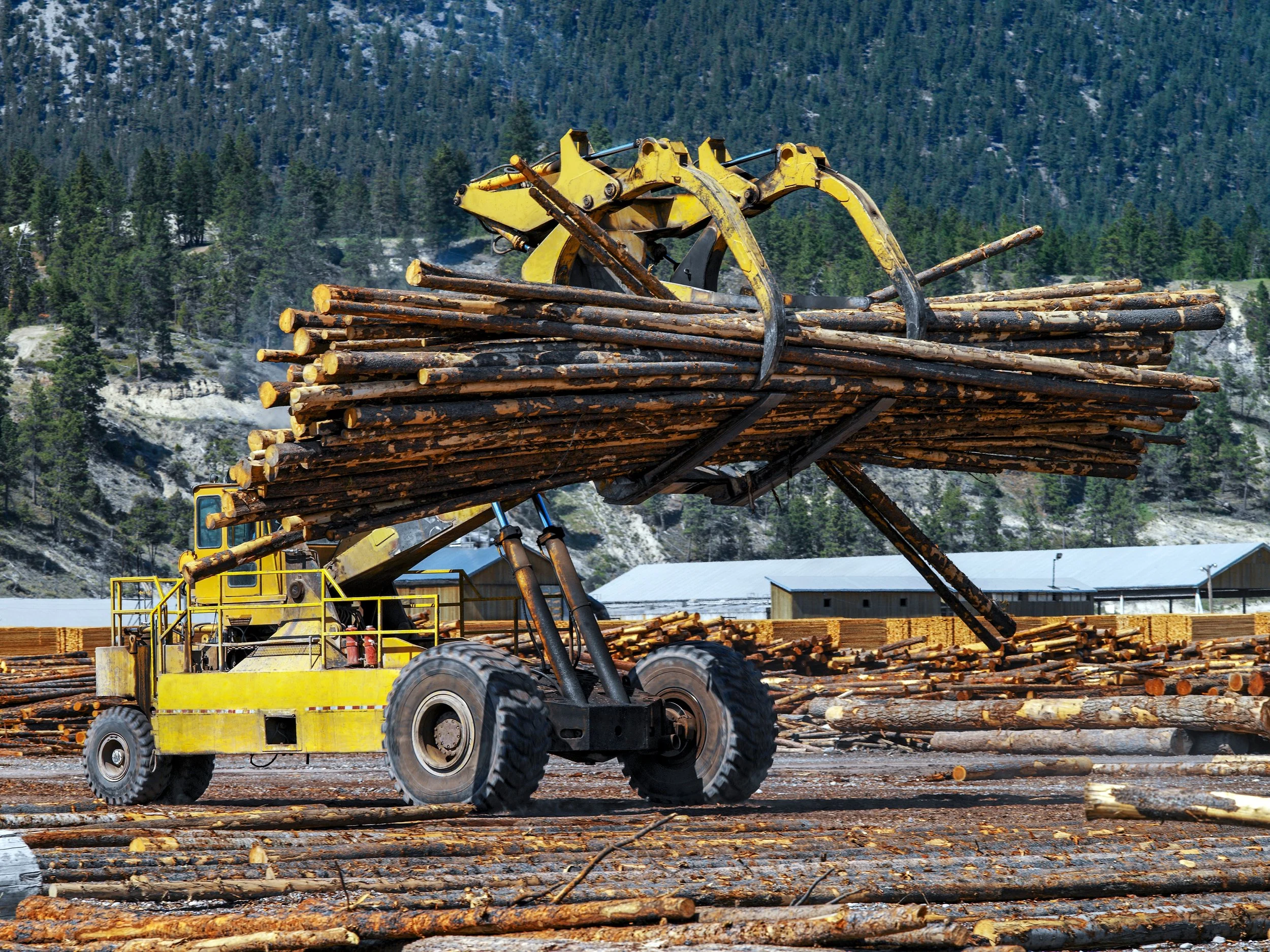
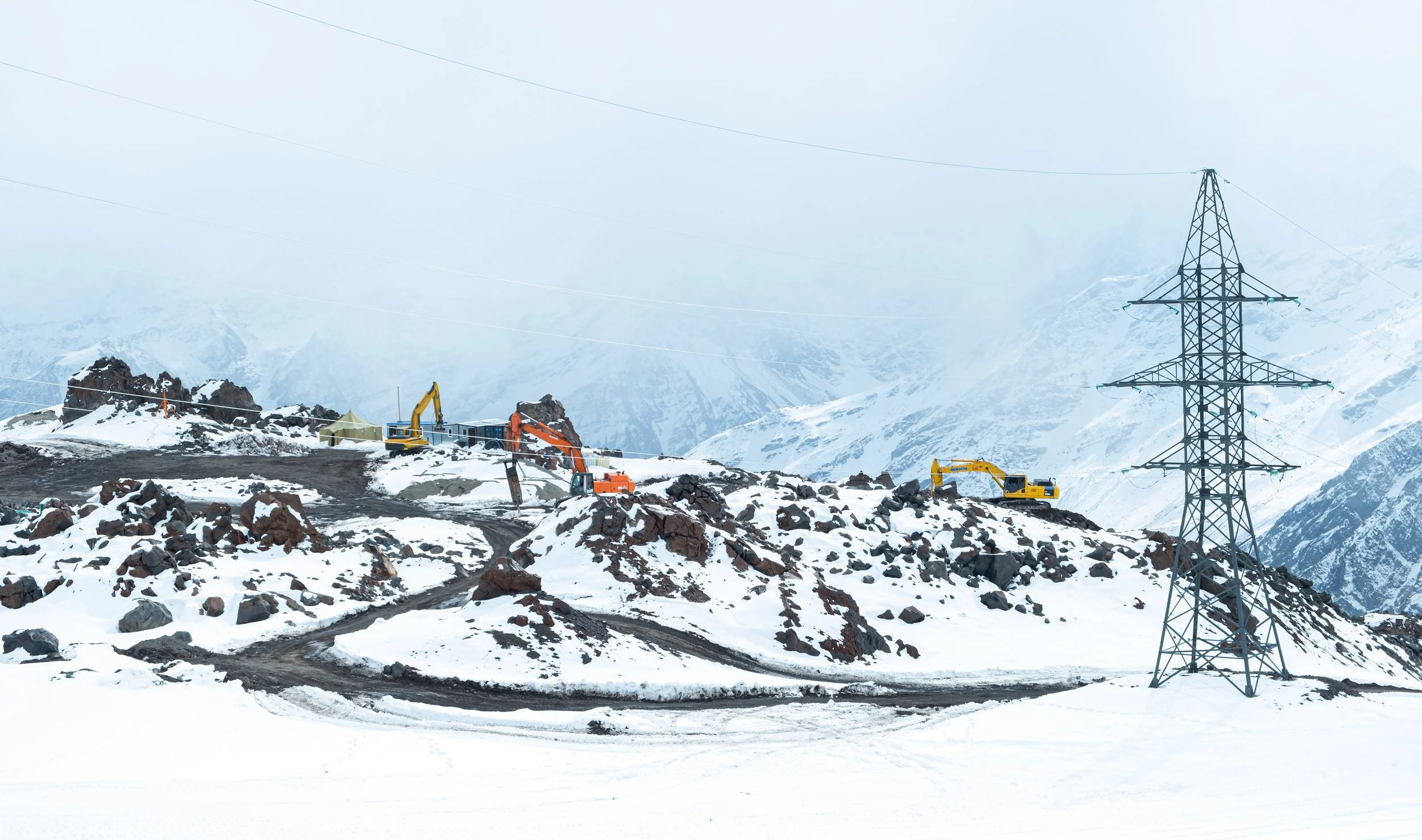
In many regions, Alaska has a practical construction window of roughly May through October. Dirt work becomes more difficult — and more expensive — once freezing temperatures return. Crews must move efficiently, plan carefully, and sequence work correctly.
Even compared to colder Lower 48 states, Alaska’s build season is shorter and less forgiving.
Site History Matters More Than People Expect
Another often-overlooked factor is what happened on the land before your build.
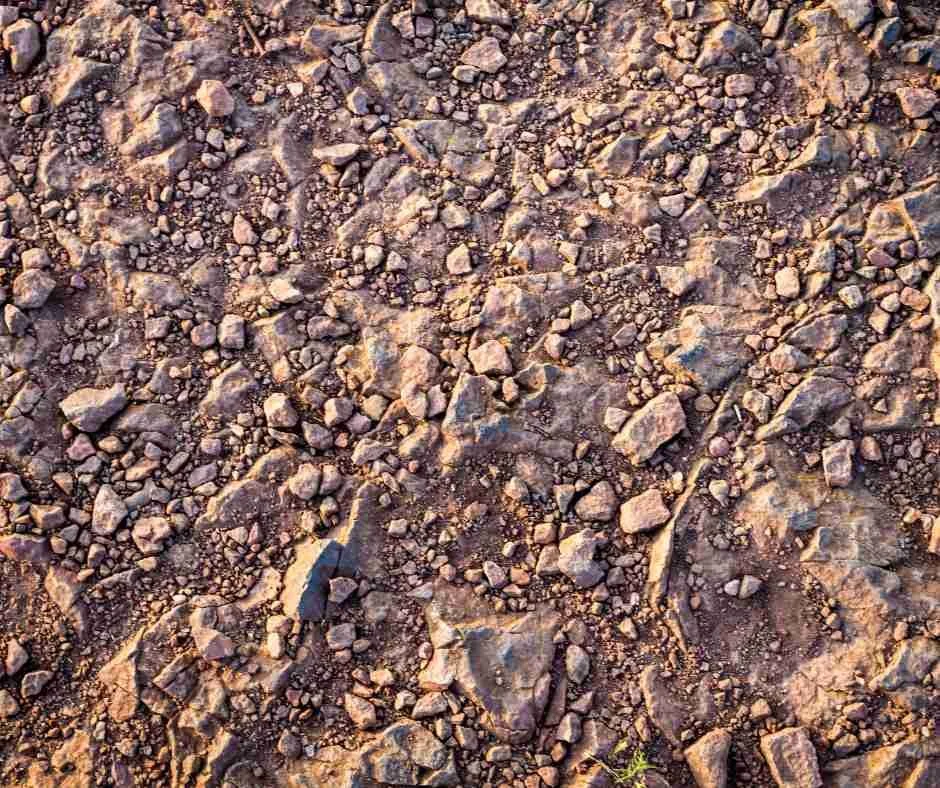
Some areas of Alaska were historically altered using fill material, which can create unexpected conditions:
Shallow bedrock discovered earlier than expected
Inconsistent soil layers
Structural limitations tied to site history
Locations like Valdez or Homer Spit are prime examples where fill history and geology can create “red flags” that only experienced local builders know to look for.
This is why site evaluation isn’t a formality —
it’s critical.
Contractor Red Flags: Why Homeowners Need to Do Their Homework
Alaska construction isn’t just about soil — it’s also about ethics.
One of the most important takeaways for homeowners is this:
Not every contractor who sounds confident is working in your best interest.
Common red flags include:
Hidden fees buried in paperwork
Pressure to sign immediately
Inflated pricing justified with vague explanations
One real-world example involved a contractor attempting to charge $600 per fence post removal, including concrete still in the ground — until the homeowner demonstrated construction knowledge and the pricing suddenly changed.
The lesson is simple: education protects you. Homeowners who understand the basics are far less likely to be overcharged or misled.
VA Standards in Alaska: Why “It Depends” Is the Honest Answer
VA-funded construction and renovation projects in Alaska often involve third-party inspectors rather than direct VA oversight.
The challenge?
Some inspectors understand Alaska’s climate and building realities. Others apply Lower 48 assumptions that don’t always translate well to cold-weather construction.
In some cases, inspections may be minimal or nonexistent if funds are issued directly to the homeowner.
This is why documentation matters. An experienced contractor will:
Explain what’s being done and why
Document work clearly
Build for Alaska performance, not just minimum code compliance
Cold-Climate Performance: What Really Shows Build Quality
In Alaska, construction flaws don’t stay hidden for long.
Key performance markers include:
Insulation levels that exceed bare minimum requirements
Proper attic insulation to prevent heat loss
Continuous vapor barriers and house wrap
Skipping these steps often shows up in winter as:
Visible frost lines on exterior walls
Uneven snow melt on roofs
Cold spots and energy loss
A simple homeowner tip:
Drive through new neighborhoods in winter. You can often see which homes were built with care just by observing heat loss patterns.
The Bottom Line
Permafrost isn’t everywhere in Alaska — but misunderstanding it can still cost homeowners time, money, and peace of mind.
Smart construction in Alaska is about:
Knowing your location
Understanding your soil
Choosing ethical, experienced builders
Building for long-term performance, not shortcuts
Built right, your home doesn’t just survive Alaska.
It works with it.